
Brownstone Birding: Part I - Buildings are just really big birds
A Field Guide to Your Neighborhood’s Architecture

About the Author: Ethan is a Design Partner at Bristow Mather Architects – a residential architecture studio with offices in New York, Chicago & Atlanta.
Walk down any street in Park Slope and they’re impossible to miss – a steady rhythm of brownstones marching down the tree-lined streets. For some, they’re merely an aesthetic backdrop for day-to-day life. For an architect, however, the result is a never-ending scavenger hunt: spotting different styles and patterns that hint to when a building was constructed and who might have lived there.
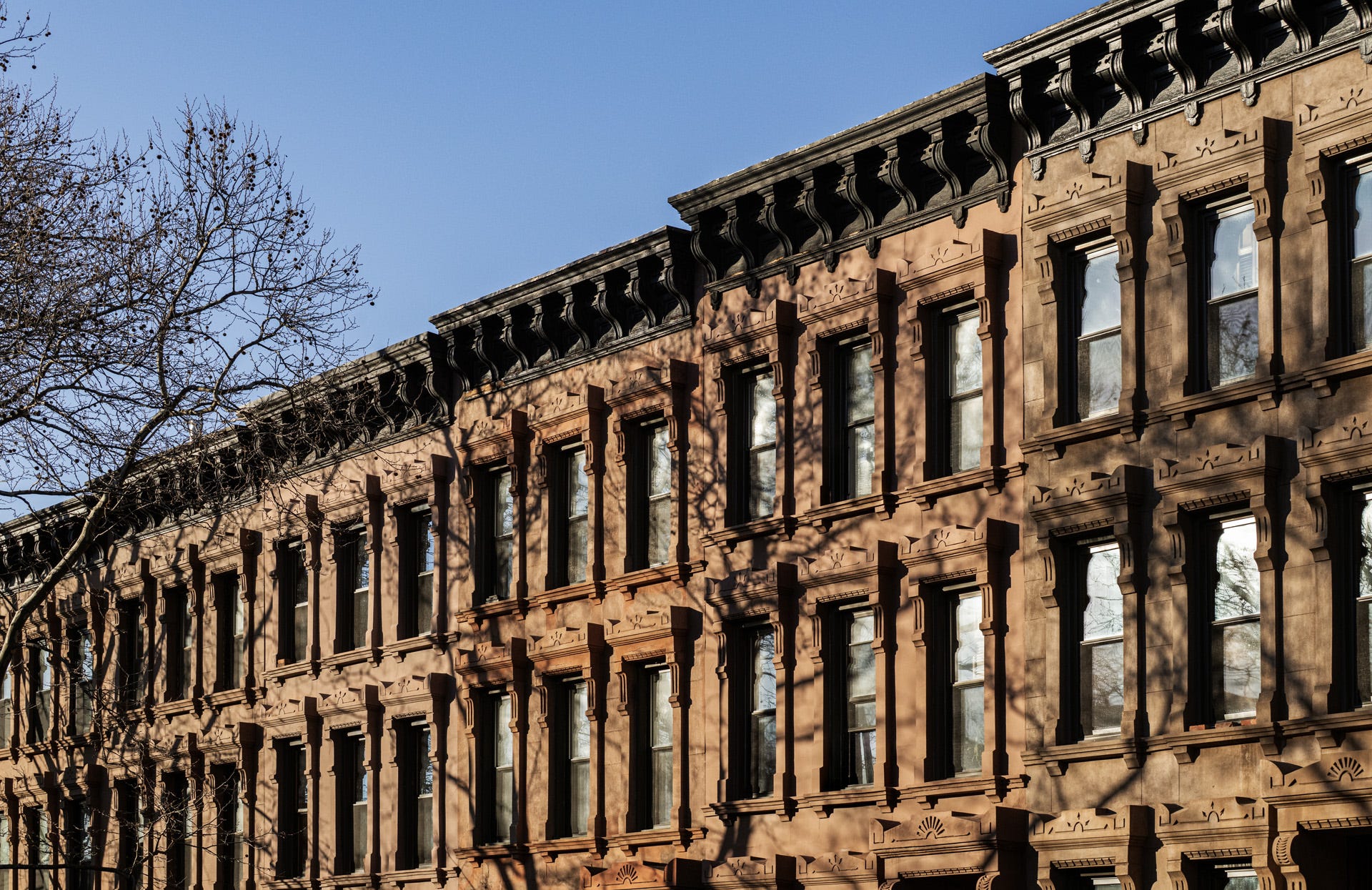
It turns out paying attention to those small details translates well to a hobby I picked up recently – one that, somewhat embarrassingly, has claimed my warm-weather weekends. If I tell you I am in my thirties and live within walking distance of Greenwood Cemetery, you can probably guess where this is going: bird watching. On a recent walk around the neighborhood, it occurred to me that the way I am learning to identify birds isn’t all too different from the way I learned to identify architecture. In both cases, we start with broad observations – the bird’s habitat or a building’s material give you general clues regarding typology before you shift your focus to smaller details such as patterns, colors, and shapes. Each new observation reveals little clues as to what you are really seeing.
Thanks to the help of some very patient birders, I’ve slowly learned which clues are important for birding and have, miraculously, even begun to recognize birds on my own. And while I am still quite hopeless when it comes to birding, identifying brownstones comes naturally after more than a decade of designing homes. I wanted to write this series to help you learn more about the buildings you live in and walk past everyday – and why they look the way they do. Thankfully, unlike birding, buildings stay put and require no early mornings or special gear. Your speed with binoculars (or lack thereof in my case) won’t matter either.
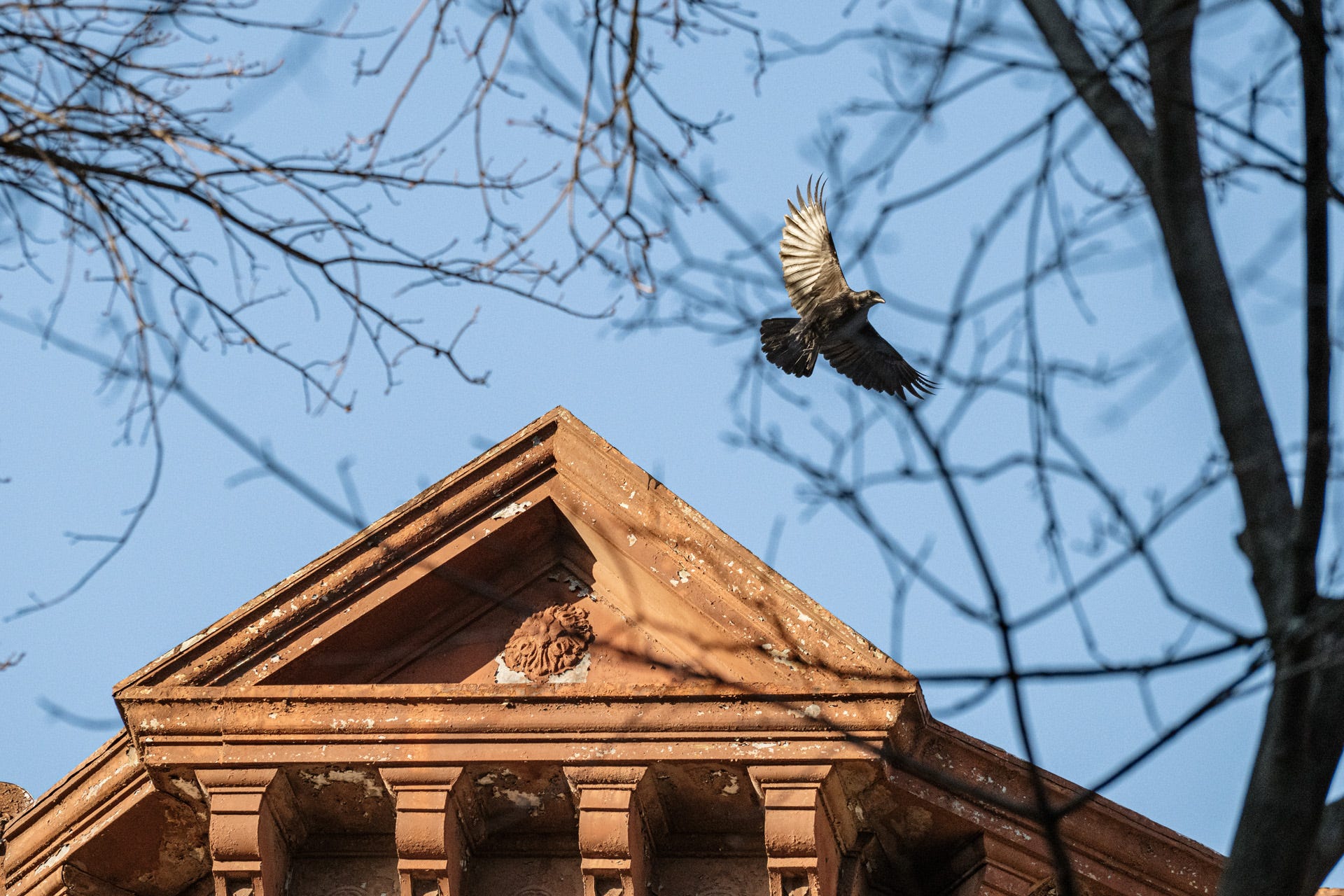
This series will walk through the basics of brownstone styles, how we define them, and what made them fashionable in the first place. By the end, I hope you’ll know where to look to better understand your neighborhood (hint: it’s always the front door) – and maybe, just maybe, turn to the person next to you and proudly explain why that mansard roof means the house is actually classified as Second Empire, not Italianate. I’m using Park Slope as our case study, but feel free to take these tips and tricks throughout Brooklyn and across New York.
Like any good field guide, let’s start by defining a few important terms. In everyday conversation, the term “brownstone” is used to describe most homes in Park Slope. Technically, however, this term refers to building material, not an architectural typology. A more accurate categorization would be a townhouse (or townhome), simply defined as a two-to-four-story home sharing one or two walls with its neighbors. The shared wall is the important detail and is what gives our homes that intimate city character we all love. It’s all a bit nuanced, so here’s the key takeaway: the building typology is a townhouse, while the primary façade material is brownstone.
Now this isn’t an advice column, but I might suggest resisting the urge to correct people if they misuse the term. I went with “Brownstone Birding” because it is much catchier than “Townhouse Tutoring” and gives readers a better visual description. It’s perfectly acceptable to separate technical definitions from their local vernacular as a hobbyist.
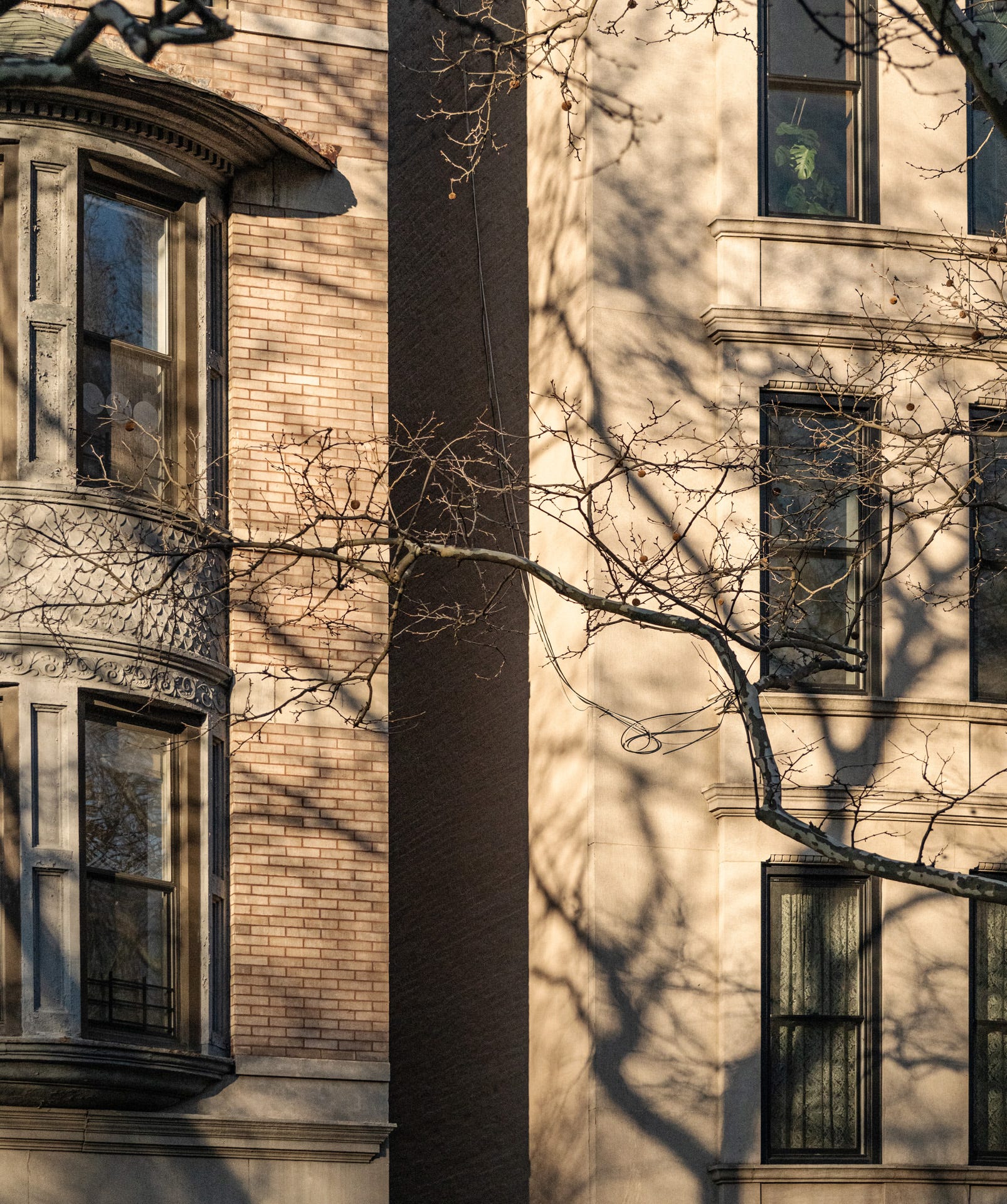
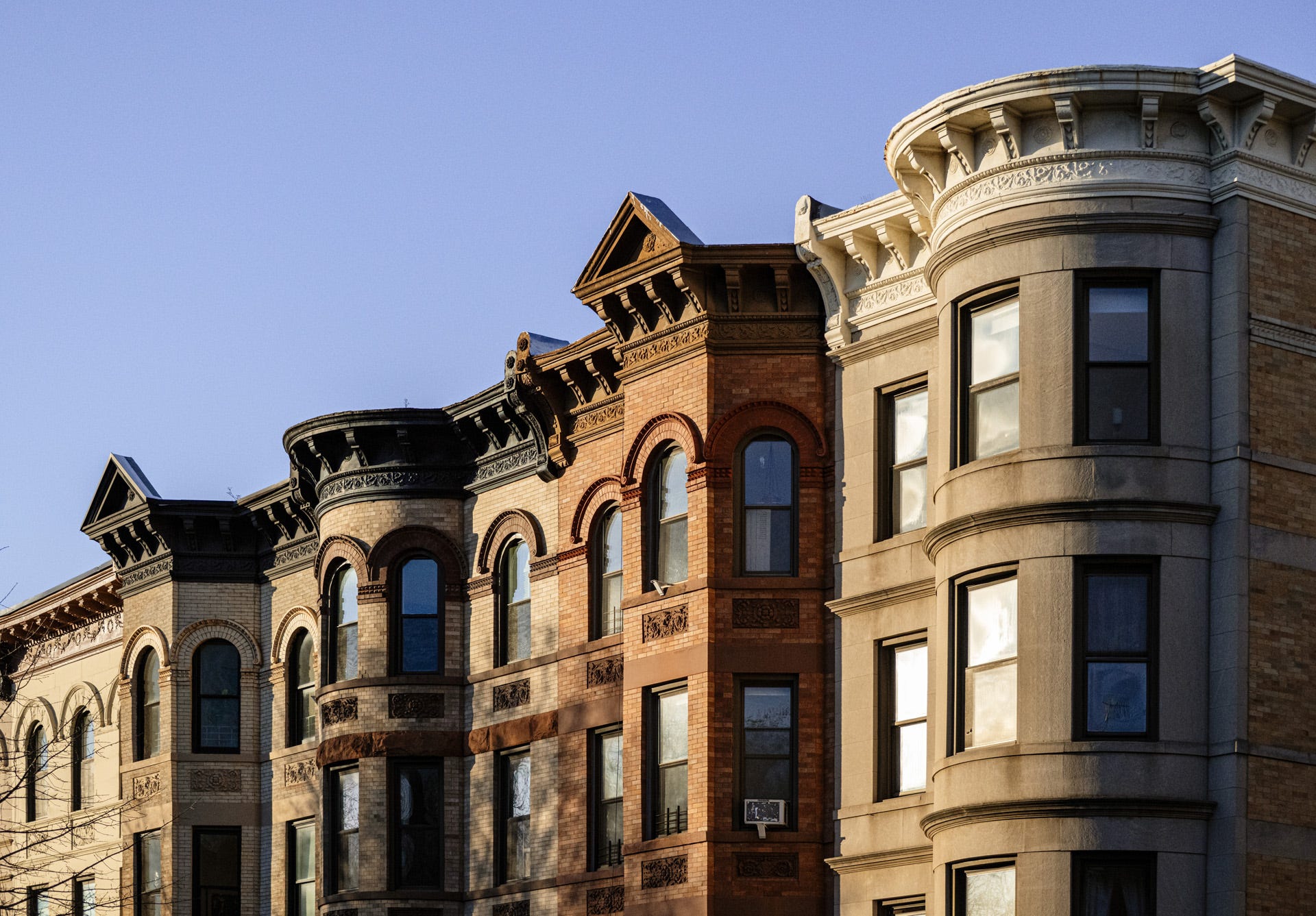
The fact that we call them “brownstones” does transition well to our first lesson in identifying a townhouse: observe the materials. Once you start looking, alongside brownstone you’ll also find limestone, brick, clapboard, and a whole host of other materials, each with its own story we will cover in future articles. Just as there are many species of woodpeckers, there are many variations of “brownstones”. Step one is confirming the bird hammering its head into a tree is, in fact, a woodpecker. Figuring out whether it’s pileated, red-bellied, or downy comes next. Translated to buildings, the first step in identification is observing the materials used in construction, following which we can start to look for stylistic attributes indicating styles such as Italianate, Romanesque, etc.
A word of warning: After 150 years of renovations and alterations, some Park Slope homes have evolved into slightly ‘Frankensteined’ hybrids containing multiple styles and materials. Just as birding doesn’t always follow logical rules (for example, the red-bellied woodpecker’s most easily identifiable feature is the bright red – you guessed it – head), you can’t always rely on buildings existing in their original state.
Have no fear though, after we’ve completed this series together you will be able to identify each and every part of your home. In Part II we will be diving deeper into brownstones – where the material comes from, why it was popular, and even a few maintenance tips if you’re currently living in one. In the meantime, keep an eye out on your next walk and start looking for the differences in each home on your street. Happy (brownstone) birding!
Subscribe to Park Slope Pulse to get Part 2 in your inbox next week!
Love this idea for a series! Can’t wait to read more
Can’t wait for the next part!