Brownstone Birding: Part II - The Eastern Common Brownstone
A Field Guide to Your Neighborhood’s Architecture

About the Author: Ethan is a Design Partner at Bristow Mather Architects – a residential architecture studio with offices in New York, Chicago & Atlanta.
Brownstone Field Notes:
Habitat: East Coast; especially Brooklyn, Manhattan, Boston & Philadelphia
Plumage: Deep reddish-brown with hints of rich chocolate
Peak Season: 1850–1873 (construction peak)
Common Threats: Spalling, poor construction, or ill-advised 1970s renovations
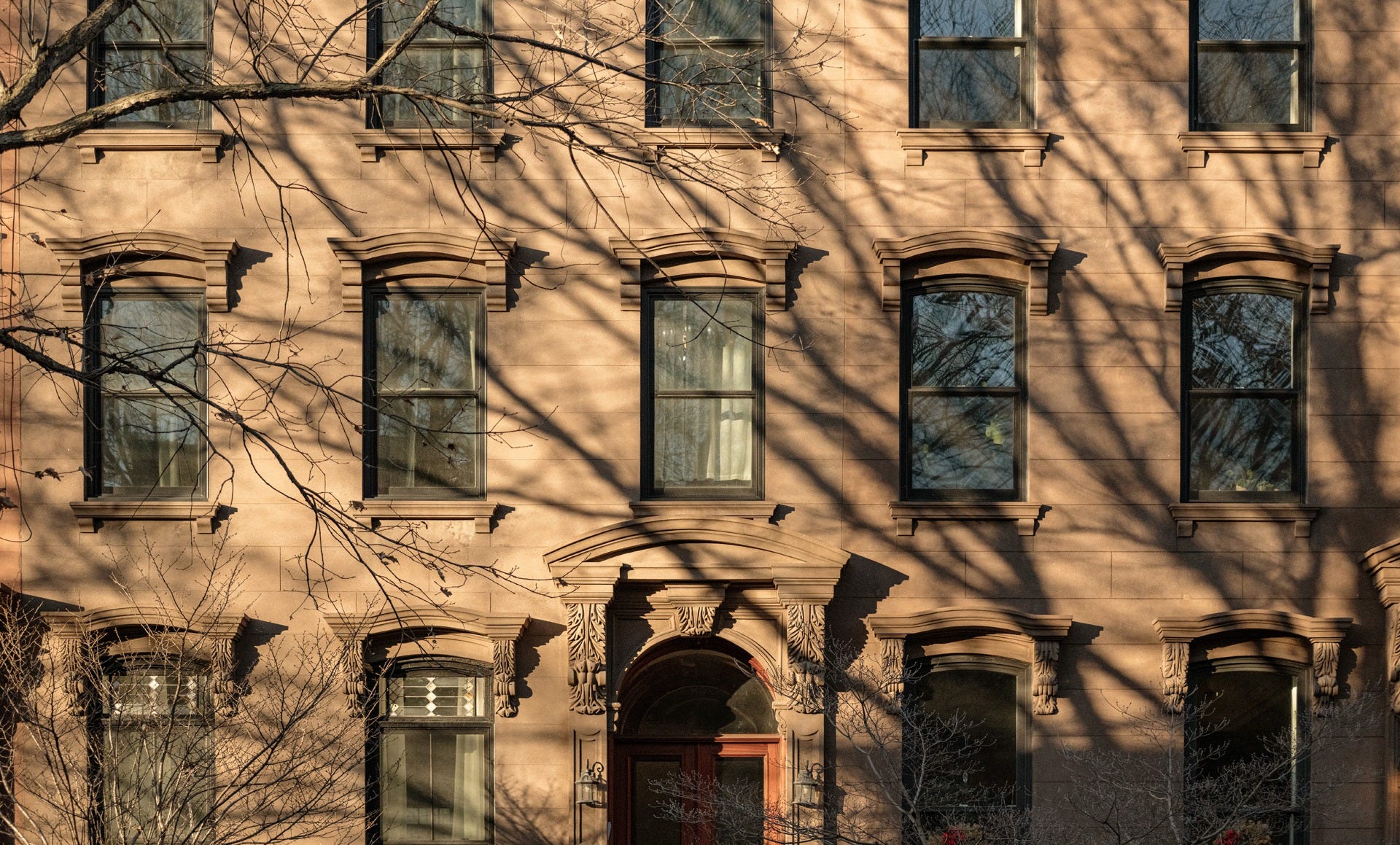
A familiar sight on every tree-lined street in Park Slope, the brownstone is the “bird” everyone recognizes, but few stop to appreciate. Consider it the House Sparrow of buildings: almost never alone, perched along nearly every block, and no matter how many you see, there’s always another detail hiding in plain sight. In this article we’ll look at where brownstone came from, why it took over the neighborhood, and why — despite its beauty — it may not be the most durable plumage (façade).
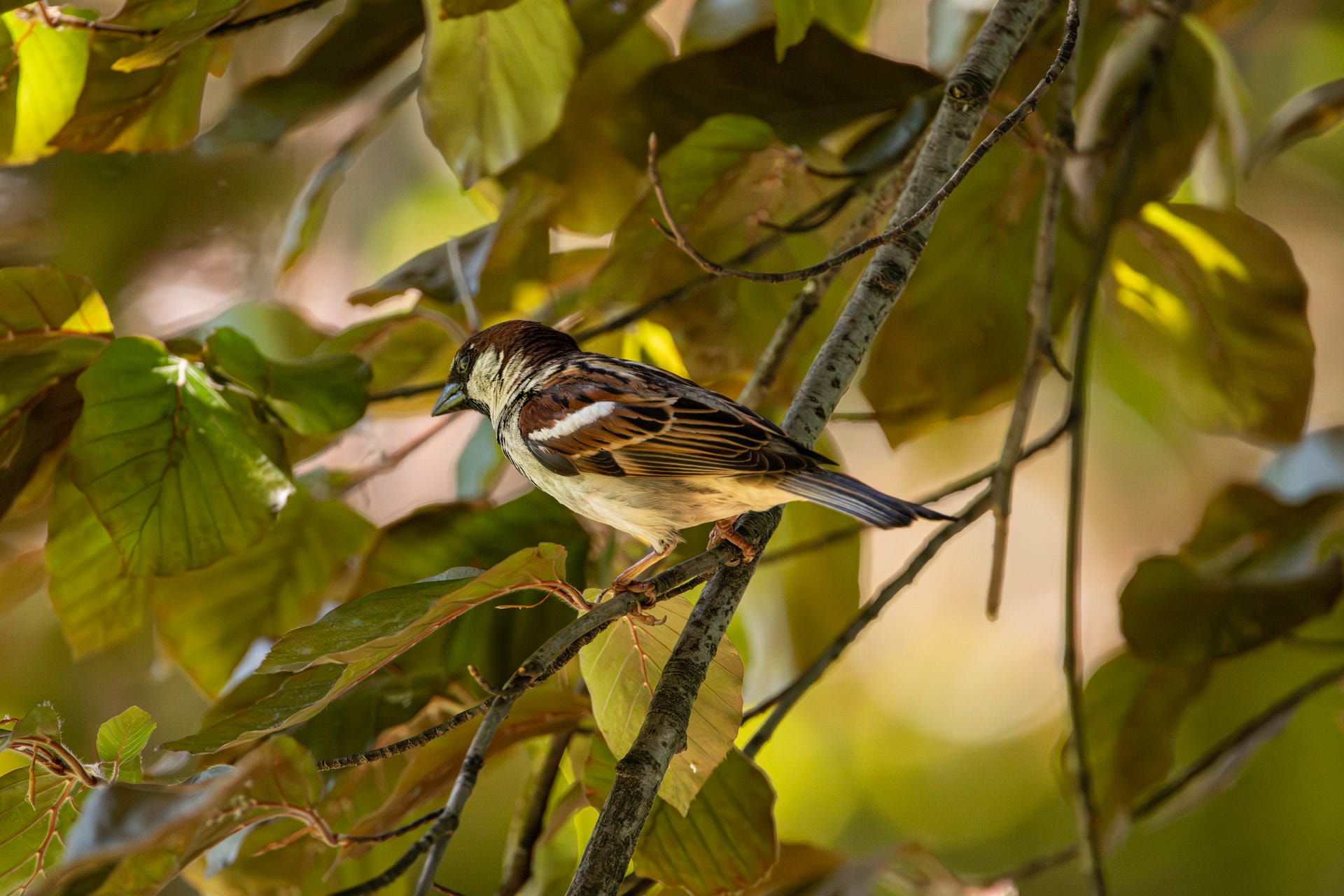
Quick reminder from Part I: the term ‘brownstone’ technically refers to the stone veneer on the front façade — not the home. From here on, that’s the brownstone we’re talking about.
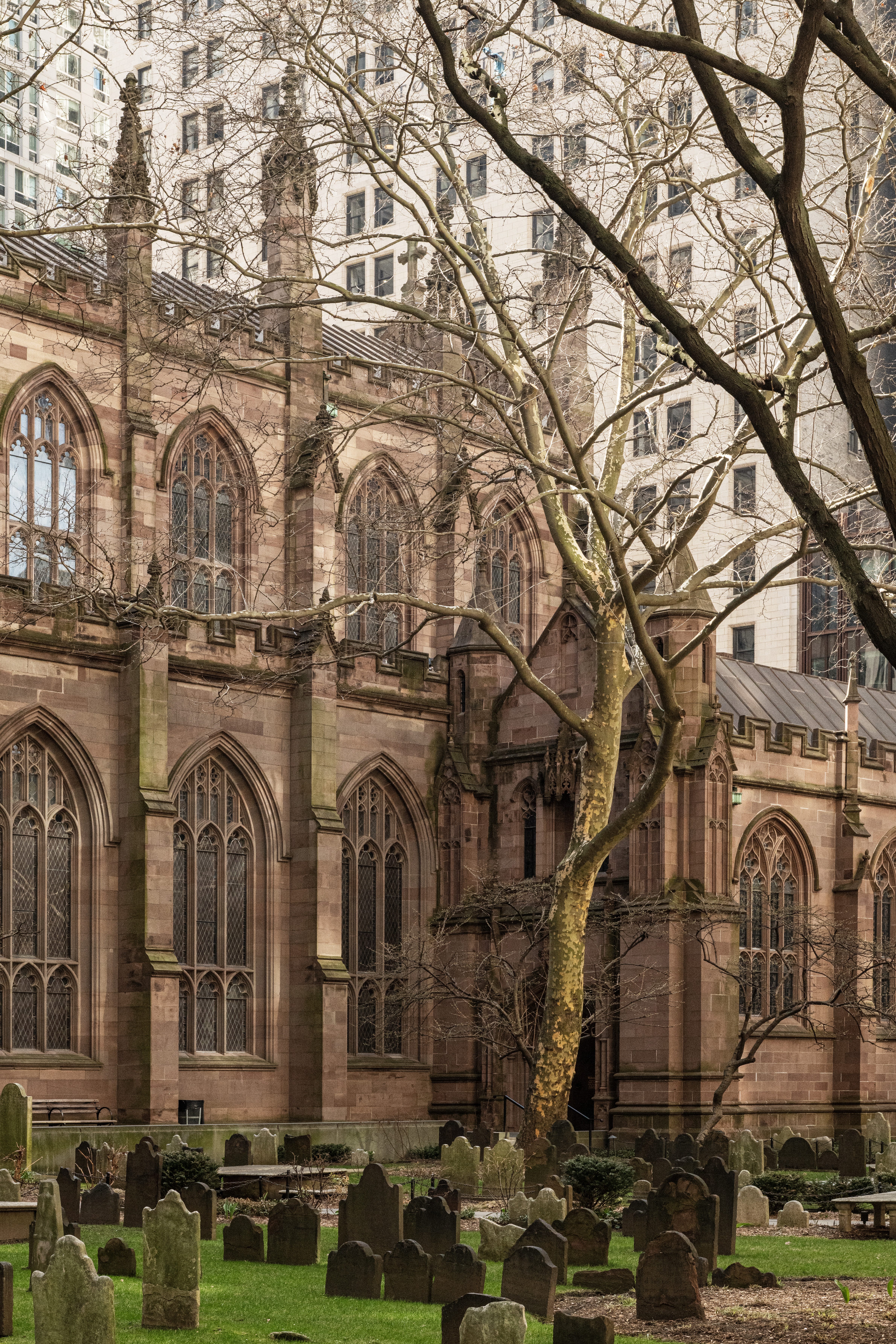
As is often the case in architecture, new styles tend to appear first in the most prominent buildings — and in nascent New York, those buildings were churches. Brownstone’s story actually begins earlier than most realize: St. Paul’s Chapel, the oldest church in Manhattan, incorporated brownstone as far back as 1766. It wasn’t until Trinity Church completed its full brownstone façade in the 1840s, however, that the material truly came onto the scene. As the wealthiest congregation in New York, this decision helped establish what would soon become a nearly mandatory aesthetic.
Trinity Church was built in the Gothic Revival style (also called Neo-Gothic). One of the hallmarks of Gothic architecture was the celebration of nature, and brownstone fit perfectly: soft, flat stone was easily carved into motifs of leaves, vines, and floral patterns while the warm red-brown tones added a natural palette to the architecture. We’ll explore Gothic identifiers in more detail in a future article, but for now it’s fun to note that long before weird architects were comparing buildings to birds, they were already finding inspiration by studying the natural world.
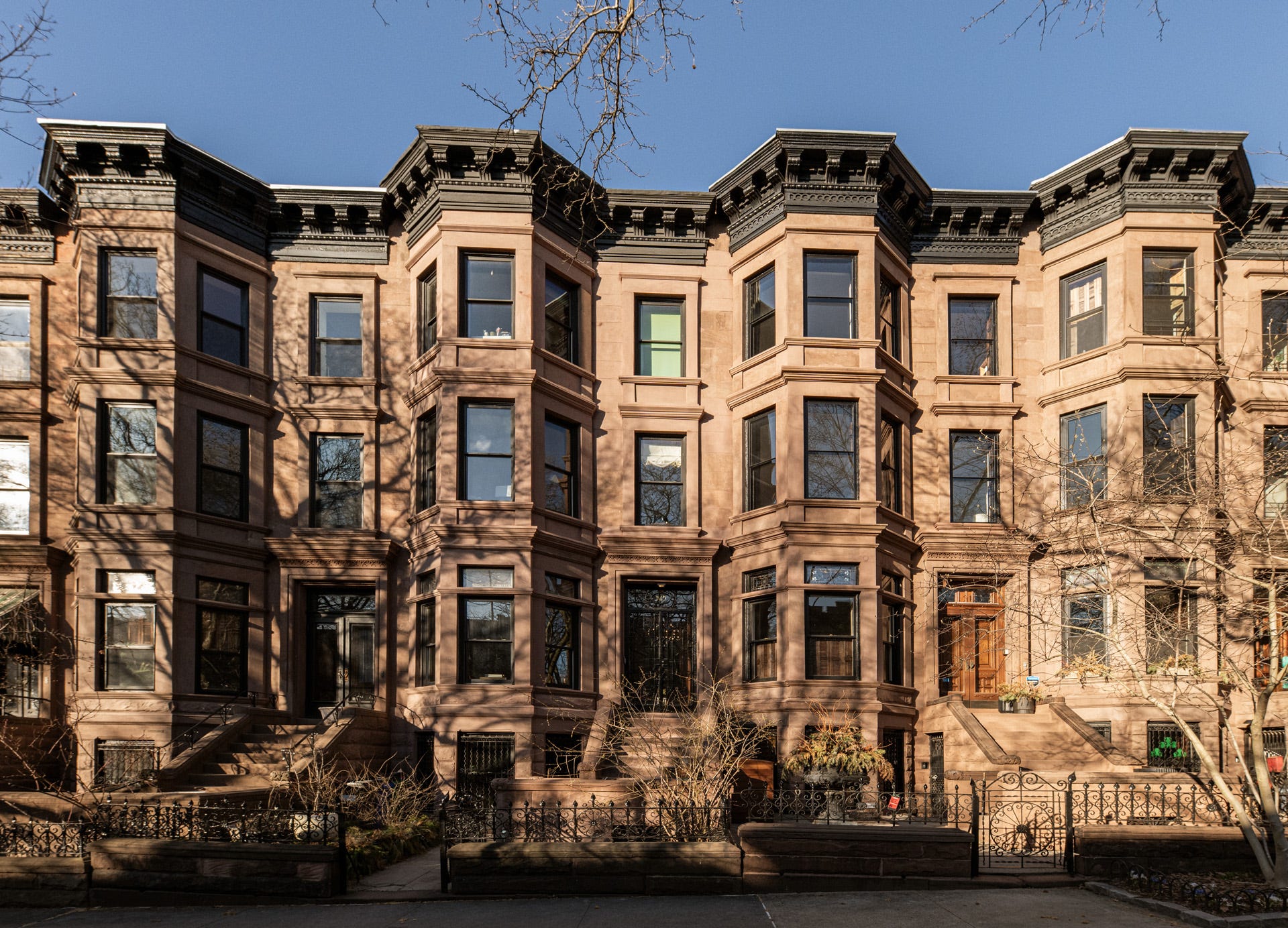
By the 1850s, brownstone had jumped from churches to rowhouses, quickly becoming the default material for new homes. Park Slope saw a real building boom after Prospect Park opened in 1867 and the Brooklyn Bridge followed in 1883 — suddenly, brownstone was the in-vouge material available to residents of our growing neighborhood. For more info on Park Slope’s development, check out the history section on the Park Slope Pulse Substack!
As an architect, I’d love to wax lyrical about how aesthetic values shaped the beautification of our neighborhoods — but, unfortunately, that’s only part of the story. While aesthetics certainly played a role in brownstone’s rise in popularity, it wasn’t the whole picture. Brownstone was also more affordable than other façade materials like limestone or marble, thanks to lower shipping costs and new steam-powered cutting technology, which made fabricating these façades far more efficient. In short, brownstone was both beautiful and accessible to a wider range of homeowners.
You have the Industrial Revolution to thank for steam channeling, also known as steam cutting. This new process transformed the previously labor-intensive work of shaping brownstone, making it far more efficient. Suddenly, brownstone could achieve the large-scale, grand façades of its more expensive counterparts, but at a fraction of the cost. As technology improved throughout the nineteenth century, the size of the stone grew, and joints became nearly imperceptible, giving architects the perfect canvas for elaborate ornamentation and making brownstone suitable for a wide variety of architectural styles.
Logistics played a big role in brownstone’s accessibility – the majority of the brownstone we see today was sourced from a single quarry in Portland, Connecticut, roughly 100 miles northeast of New York City. Situated along the Connecticut River, the quarry allowed the stone to migrate via the Long Island Sound and then down to New York, providing a much simpler and more efficient route than overland transport.
While Connecticut gets most of the attention, New Jersey had its own brownstone quarries too — producing stone that tended to be a bit lighter in color. Even Trinity Church, our Gothic Revival feathered friend from earlier, was decked out in brownstone from Little Falls, NJ.
Technically, brownstone is a type of sandstone (or freestone) dating back to the Triassic period. When first quarried, it often shows a pinkish hue, which gradually darkens with exposure to the elements — thanks to the iron-rich hematite in the stone. Think of it as the building’s feathers: young and rosy at first, then maturing into the deep, rich brown plumage that adorns our streets today.
While undeniably beautiful, brownstone is actually a rather delicate building material. It’s brittle, prone to cracking, and demands careful cutting and installation to last. Because of these durability challenges, many brownstones today are coated with a thin layer of stucco, carefully tinted to match the original stone beneath. An architect’s warning: if a brownstone is re-stuccoed improperly, the results can be disastrous — sometimes even less durable than the original stone beneath. If you’re planning a façade refresh, consult a professional to ensure your home can remain a proud part of the neighborhood’s character.
Ultimately, a mix of fortunate technological advances and widespread stylistic popularity made brownstone the star of our streets. In the next article, we’ll explore some of the less common — but no less fascinating — façade materials found in Park Slope. In the meantime, keep your eyes open on your next stroll: notice the scale of the stone, the subtle color variations, and the details that give each façade its unique story. Happy (brownstone) birding!