
Edwin Litchfield: The Man That Made Park Slope
Part I: Building the Slope, including Litchfield Villa

Nick Bello is a writer and photographer based in Park Slope. He loves to capture local scenery as well as research local history. Follow him on Instagram @nbello8 or on substack at:

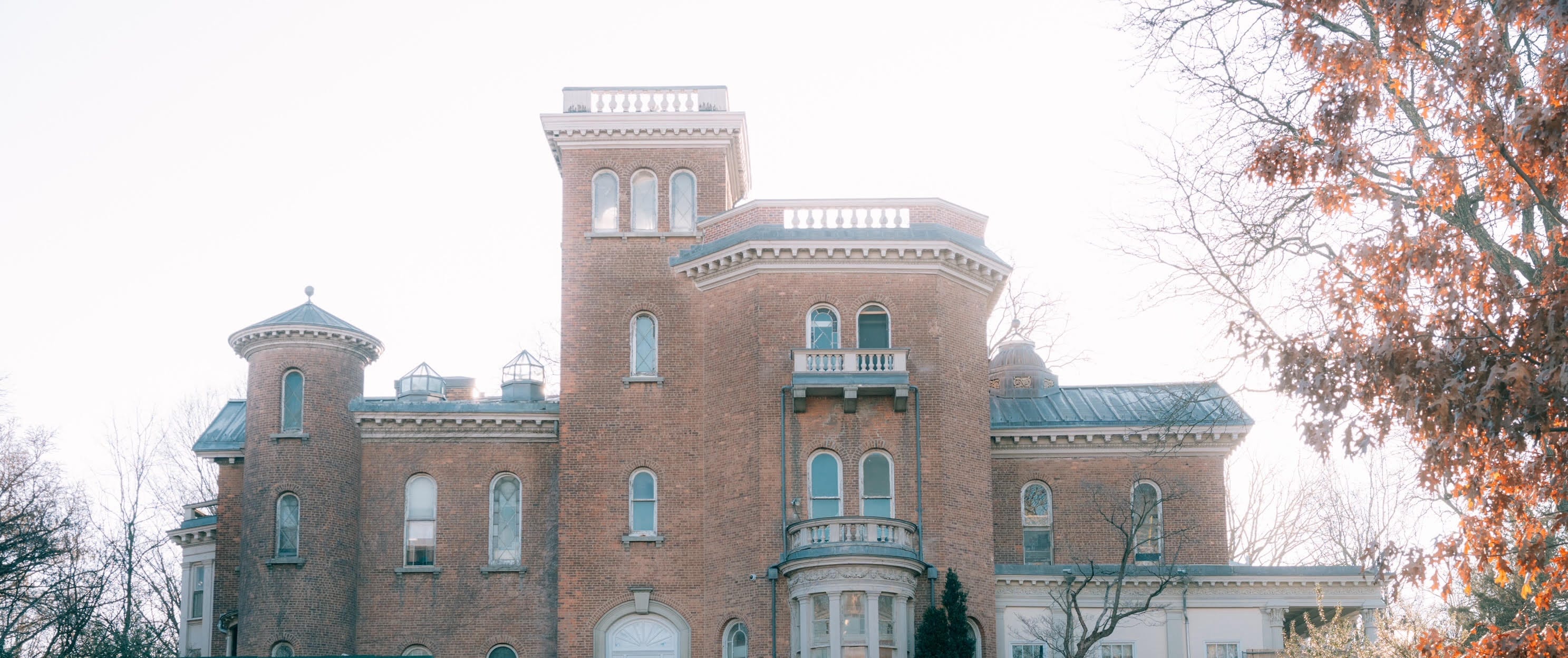
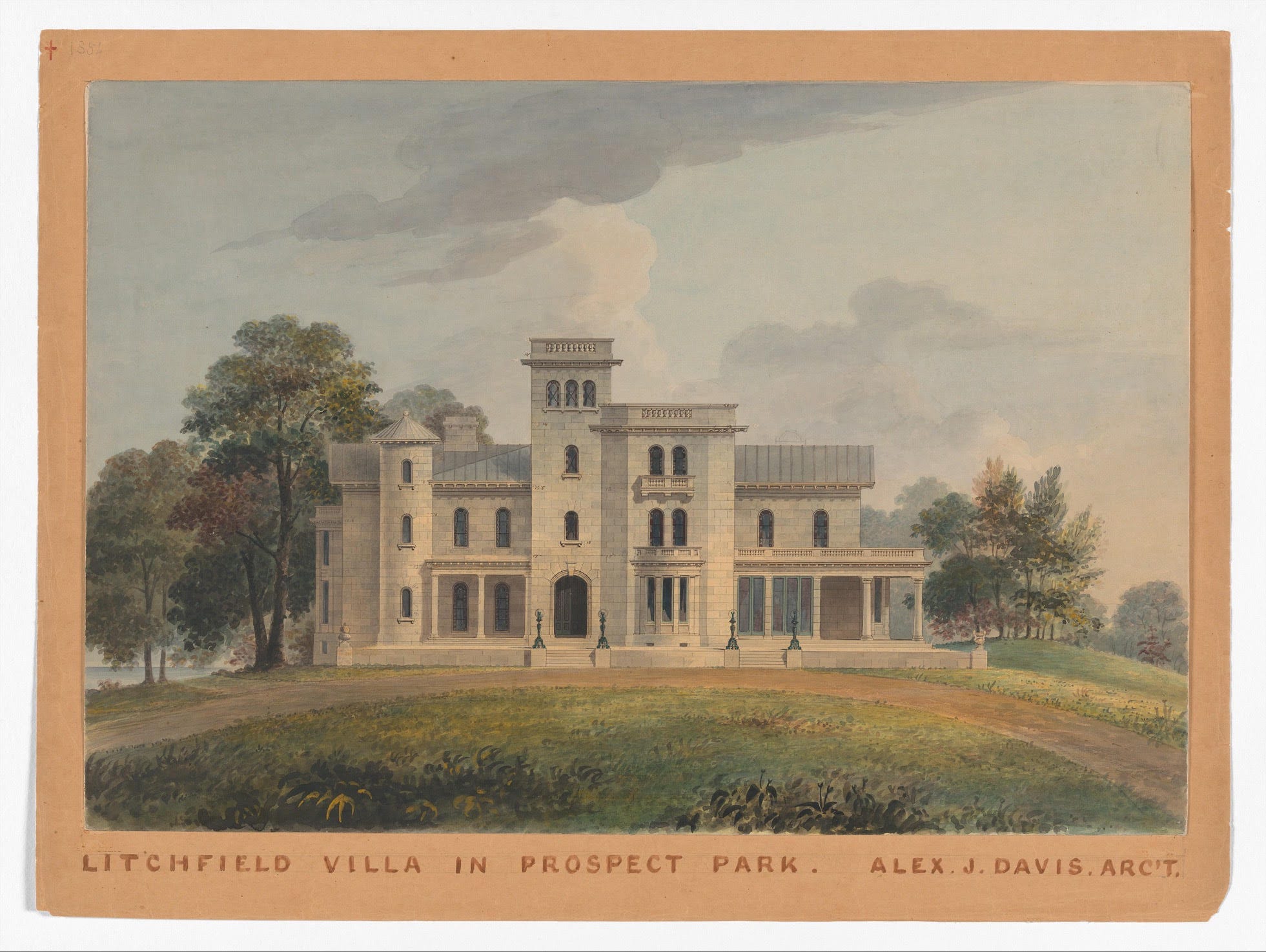
The current head offices of Prospect Park sit in an ornate building located at the very top of third street and Prospect Park West. The building sticks out like a sore thumb, as the Italian Villa mansion clashes with the surrounding brownstone apartment buildings. But, this building - now known as Litchfield Villa - predates most of the buildings in Park Slope and also the park itself, and its former owner is responsible for building up not only the surrounding neighborhood, but also the Gowanus Canal.
A Railroad Mogul Moves To South Brooklyn
Edwin Clarke Litchfield was born on January 21, 1815 in Delphi Falls, New York. The third son of Elisha Litchfield, who would soon become the postmaster of Cazenovia, New York — sparking a political career that would take him to the New York State Assembly, where he would become the Speaker of the House in 1848, and later serve two terms in congress. Elisha’s story is a true rags to riches, as he worked his way up from carpenter to businessman and then became an officer in the War of 1812. He would marry Percy Tiffany and together they would have five boys before Percy’s death in 1827. Elisha would remarry to a woman named Lucy Scott Bacon and together they would go on to have four more children.
The Litchfield’s were Protestant, thus instilling hard working values in their children. These values were the most present in Edwin, who would attend Cazenovia Academy, graduating as valedictorian of his class. He would go on to attend Hamilton College in Upstate New York and would become an attorney in Albany after graduation, eventually working his way up to a term as district attorney. His ambition also led him to dabble in the financial management of railroads, using his lawyer status at the capitol to take advantage of insider information. He married Grace Hill Hubbard in 1841, the daughter of Thomas Hill Hubbard who was one of the founders of Hamilton College. The couple and their three children would move to Manhattan in 1846 where Edwin would start his law practice of Litchfield and Tracey. That same year, Litchfield would also become the principal stockholder of an engineering firm that bought the unfinished Michigan Southern Railroad from the state of Michigan.
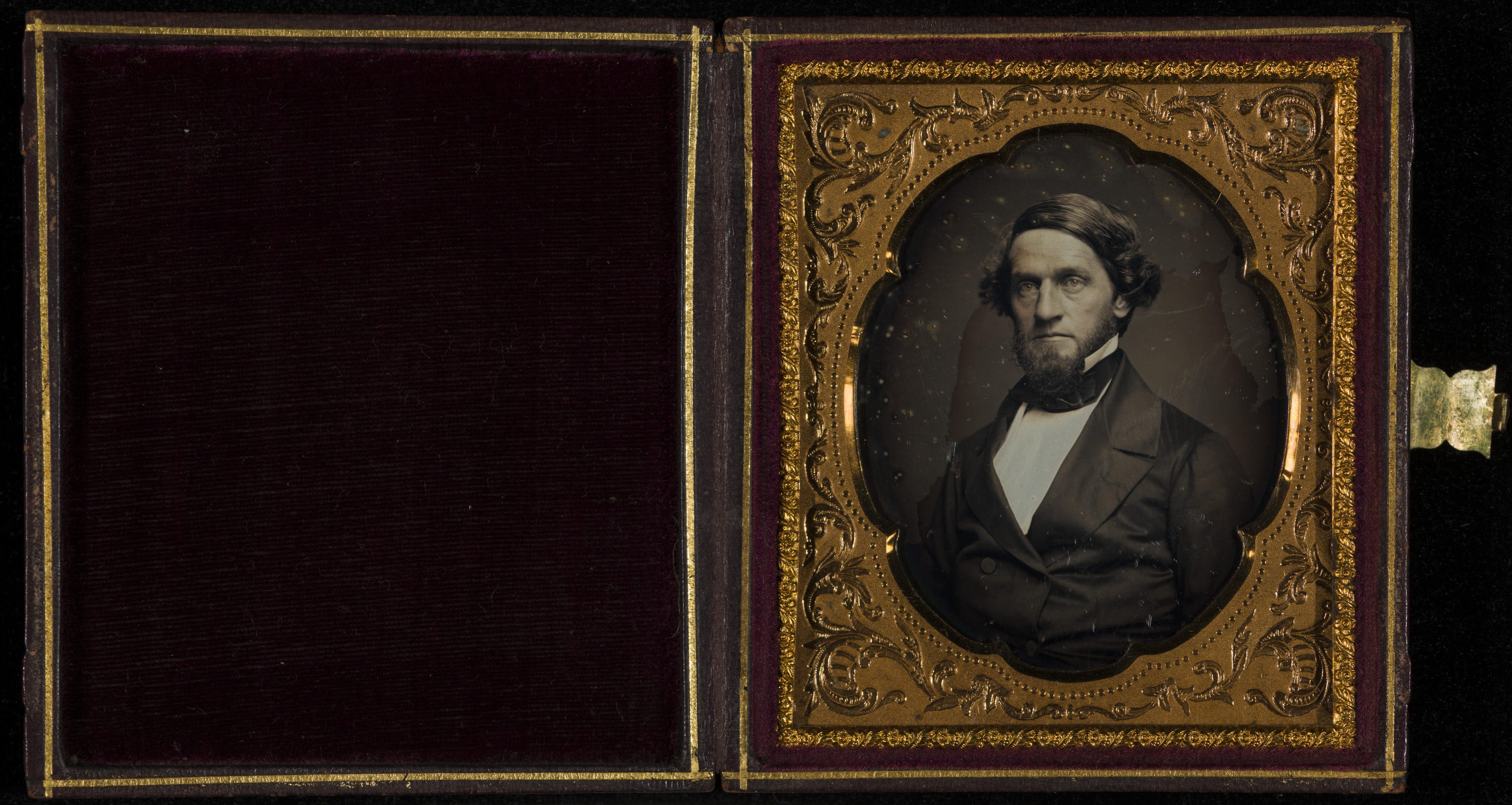
This prompted Edwin to go into business with his brothers Electus and Elisha and their offices would be located on Wall Street. The brothers would help to complete the railroad in 1852 and then they would also add on the Indiana Southern Railroad, creating the first first singular rail line from the Northeast to the Midwest. They would go on to develop more rail lines in the Midwest, becoming railroad barons in a very short amount of time. They also founded the town of Litchfield in Illinois and a town in Minnesota would later be named Litchfield in their honor.
Edwin, with his new riches, had his eyes on developing land in Brooklyn. At the time, Gowanus had only a few old farms occupied by families who had been there for generations. Litchfield saw the potential in this land and wanted to build an all encompassing neighborhood that would have warehouses for shipping goods along the canal, a shopping district and paved roads and also row houses for people to live. Litchfield also planned on building a grand estate atop a hill overlooking the bustling neighborhood he created.
To do this, Litchfield first bought 88 acres of land in 1852 from David Talmadge who was the son of the former mayor of Brooklyn, Thomas Talmadge. He would also purchase an even bigger plot of land totaling 152 acres for $150,000 from the Cortelyou family who had been there since before the Revolutionary War. This land included the Old Stone House, which played a major role in the Battle of Brooklyn. He would add on some more land by buying up more farms until he had a plot suitable for his neighborhood. Most predicted that Litchfield would fail in accomplishing his goal, as the land he just purchased was swampy which would make building on it a struggle. However, Edwin was determined to see it out.
A Mansion Atop The Hill

 | A guest post by
|