
Going Beyond the Ballot: A Park Sloper’s Guide to Civic Engagement
How to advocate for yourself, your community, and your city outside an election year.

A 2010 article from the New York Times— “The Compromises of City Living”—asks its readers to share the compromises they’ve made to claim their urban dwelling. The responses are pitiable but expectable: 15-minute walks to the subway, limited natural light, earplugs a nightly accessory to tolerate the noise of a downstairs bar.
Yet as the median rent has increased more than 30% over the last 7 years (far outpacing wage increases), many New Yorkers find themselves forced to compromise on what was once considered unlivable. In the Reddit thread “R/NYC,” users report experiences that straddle the thin line between unpleasant and intolerable: an apartment so frigid its inhabitants must wear hats and scarves inside, sidewalks littered with glass and crowded with illegally parked vehicles, 1-bedroom apartments shared by 6 adults. New York of the early 2000s sounds quaint compared to these conditions.
The 2025 mayoral election is proof that New Yorkers are no longer willing to endure a city that becomes more unlivable and unaffordable with each passing year. Yet in such a fast-paced, sprawling city, it’s difficult for the average New Yorker to imagine how they can advocate for themselves, their community, and their city outside of an election year. Whatever issue ignites you—improving bike lanes, bringing more small businesses into your neighborhood, or expanding access to safe, affordable housing—there are ways to amplify your ideas and connect with people who can realize them. While the mayor’s office is powerful, it isn’t the only avenue to change. This guide to civic engagement will help you fight for the causes you care about, and in the process, build a better NYC.
This article is for informational purposes only. For legal advice, contact a licensed attorney or official city resources.
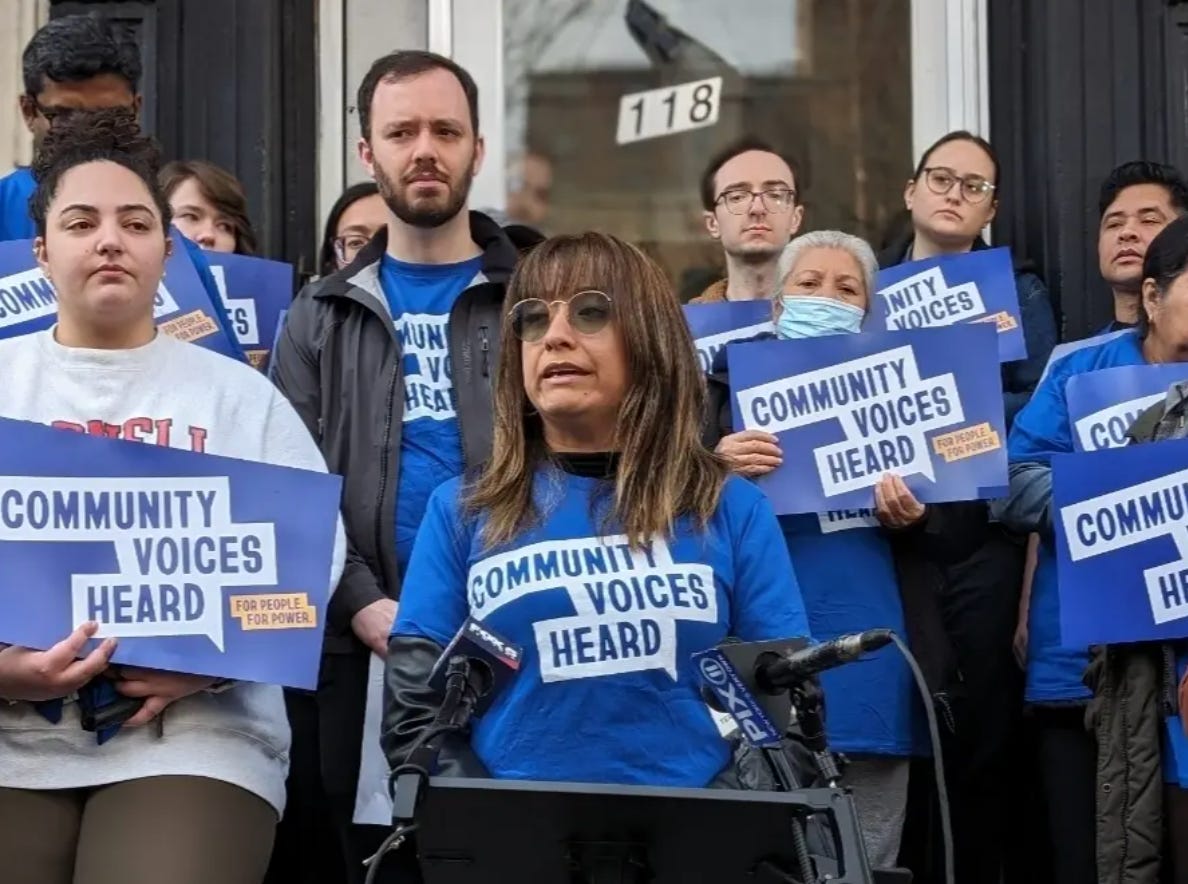
1) Know Your Rights
If you aren’t aware of your rights, you can’t effectively advocate for yourself or others when they’re being violated. All New York City residents hold broad rights that protect against discrimination in housing, employment, and public spaces based on age, race, gender, religion, sexuality, or immigration status.
Tenants have a right to clean, safe apartments with access to adequate heating, hot water, good lighting, electricity, pest control, and a fair eviction process. You can read more about your rights in the NYC Tenant Bill of Rights.
Workers have a right to paid leave, minimum wage, overtime pay, and accommodations for pregnancy, disability, and religion. You can read more about your rights in the NYC Worker’s Bill of Rights.
In most cases, New Yorkers have a right to deny ICE agents’ attempts to enter their home or private workplace if they do not have a judicial warrant. You also have a right to remain silent during questioning. You can read more about your rights with ICE in this guide.
This is general guidance—please consult official resources or legal counsel for your specific situation.
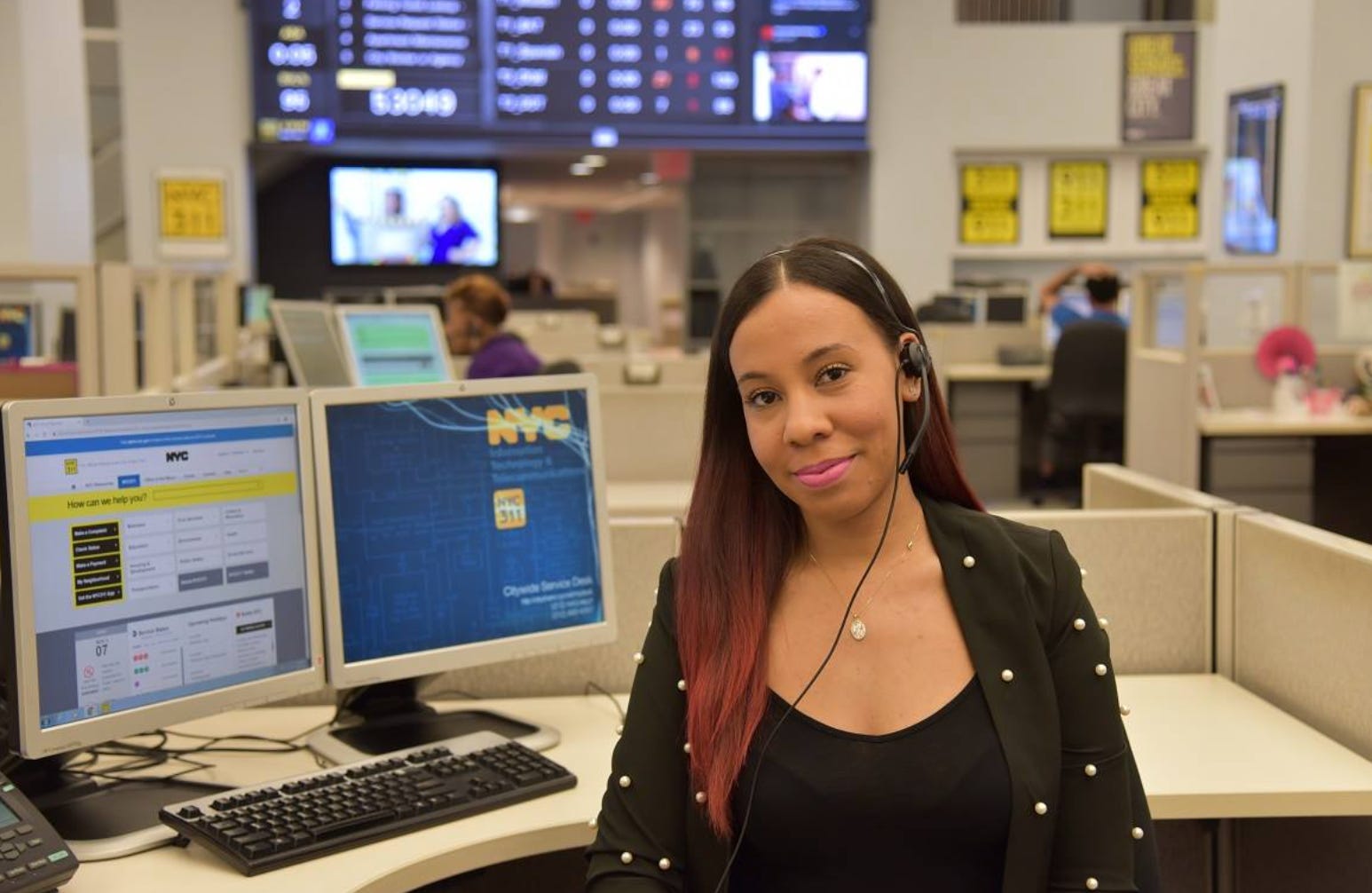
2) Get to Know 311
311 is a non-emergency service for residents to access information and report issues on everything from potholes to inadequate heating to trash collection. You can also request birth certificates, report lost pets, apply for SNAP benefits, or find libraries and clinics in your neighborhood. It’s available 24/7, and you can access it via phone (dial 311), website (nyc.gov/NYC311), or mobile app (NYC 311).
That said, 311 is not without its issues. Sometimes reports get marked as complete without receiving a sufficient response. If this happens, you can resubmit your report or reach out to your City Council Member for help.
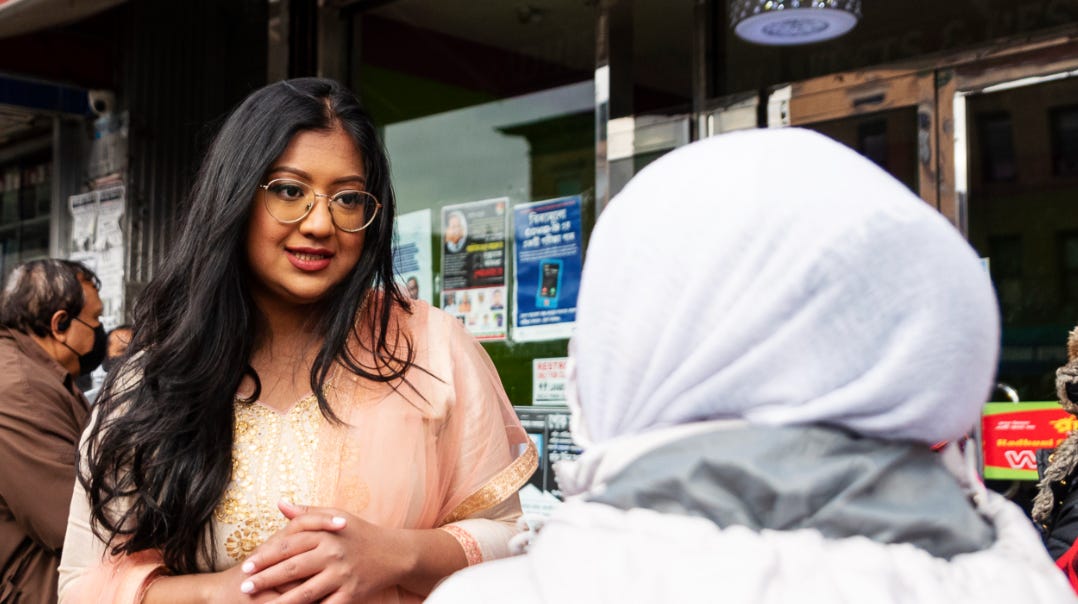
3) Reach out to your City Council Member
Your city council member can help with any neighborhood-specific concerns or assist you in navigating NYC’s bureaucratic systems. They recommend that you begin by filing a 311 complaint about your problem, then reach out to their office with your 311 complaint number, along with photos, addresses, and cross streets related to the issue.
Council Member Shahana Hanif represents District 39, which includes Park Slope, Gowanus, Kensington, Borough Park, Windsor Terrace, Carroll Gardens, Cobble Hill, Boerum Hill, and the Columbia Waterfront. You can call or email her office at (718)-499-1090 or district39@council.nyc. You can also schedule an in-person appointment at their District Office, located at 197 Bond Street between Warren and Baltic.
The District 39 office offers support on immigration-related issues on Fridays from 10 AM-4 PM at 118 Beverly Road in Kensington. To make an appointment for services, call (646)-664-9400 or (212)-652-2071.
You can learn more about Council Member Hanif and her office’s services here.
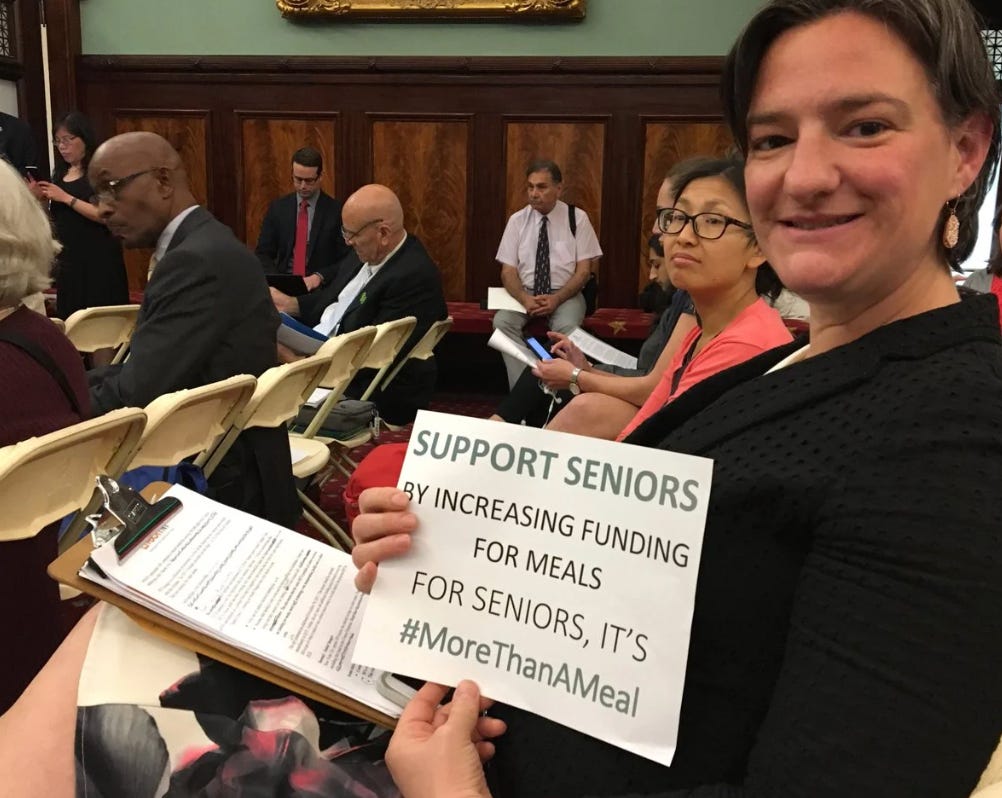
4) Attend a City Council Hearing
If there’s a specific law or issue area that you care about, you might consider attending a City Council Hearing. In these meetings, City Council Members introduce and vote on legislation, discuss the city’s budget, and listen to testimonies from constituents. In the next week alone, the Committees on Immigration, Criminal Justice, and Mental Health will be meeting to discuss important legislation.
You can attend a hearing in person—be prepared for security, and bring an identification card—or via Zoom. Most hearings are held in the City Council Chambers at 250 Broadway, and you can see the time, location, and meeting agenda on this schedule.
Both in-person and virtual attendees can testify during hearings, though all speakers must submit their written testimony in advance. You can submit your testimony here.
5) Join a Community Board
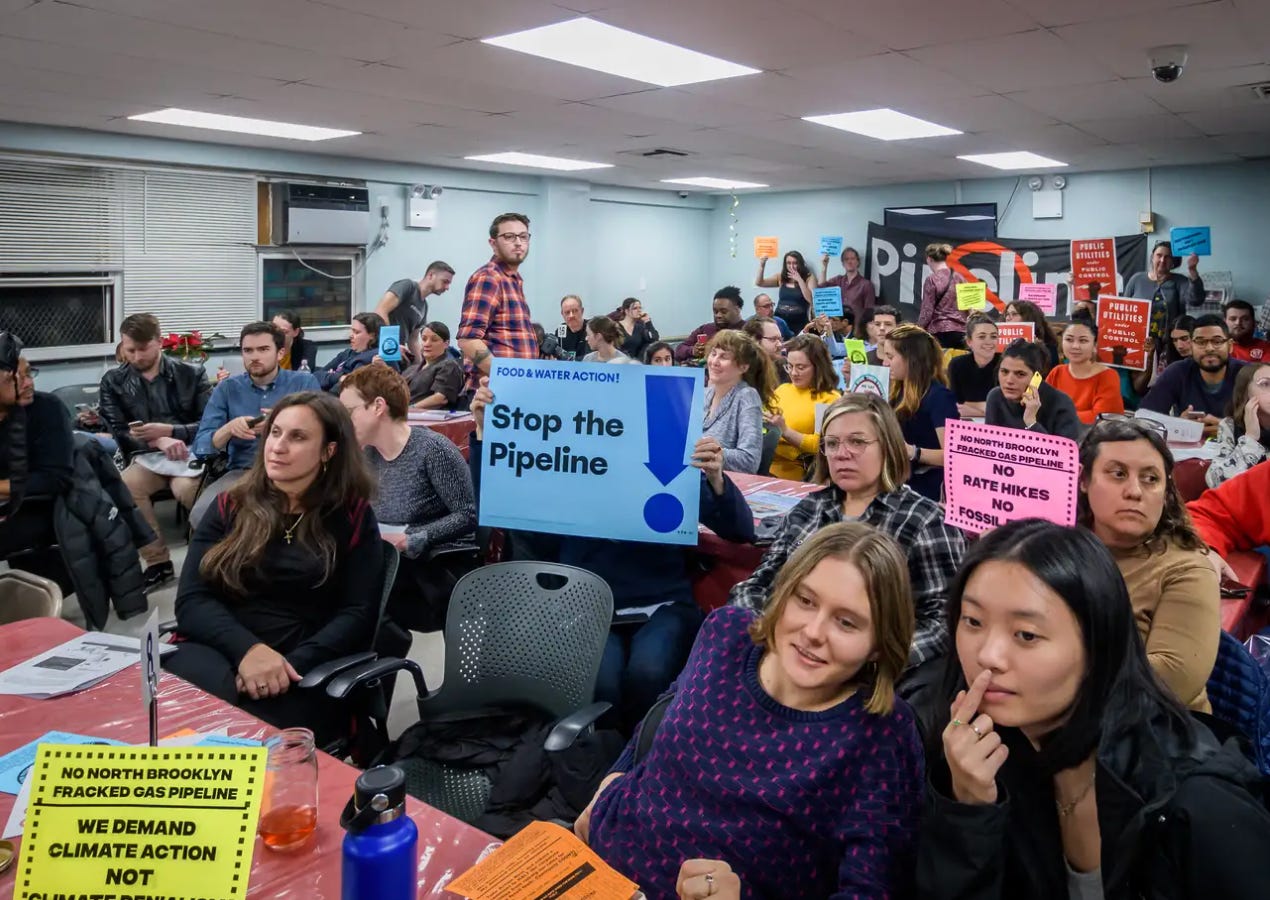
Community Boards are official municipal bodies that advise elected officials and government agencies on issues affecting the district. The board discusses and amplifies a wide range of policy concerns, including land use, housing, transportation, liquor licenses, and more. Board members work with the local government to ensure their community’s perspectives and needs are considered in the decisions that will affect them.
There are 18 Community Boards in Brooklyn alone. Community Board 6 represents the neighborhoods of Park Slope, Carroll Gardens, Cobble Hill, Gowanus, Red Hook, and Columbia Street Waterfront. All residents age 16 and older can apply to join their local Community Board! Applications are open until February 6th, 2026.
Community Board 6 meets on the second Wednesday of every month—except in July and August—at 6:30 PM, and there are public hearings and committee meetings every week. If you aren’t able to commit to board membership, you can still attend meetings! You can learn more about the board and see their full meeting schedule here, and you can reach out to Community Board 6 by emailing info@bkcb6.org.
This article is for informational purposes only. For legal advice, contact a licensed attorney or official city resources.
Audrey Pettit is a writer, dancer, and Ph.D. student living in Park Slope. You can discover more of her writing on her Substack.
This is great! So glad you included this on your Substack. If you enjoy this kind of work be sure to follow Dad//Citizen!