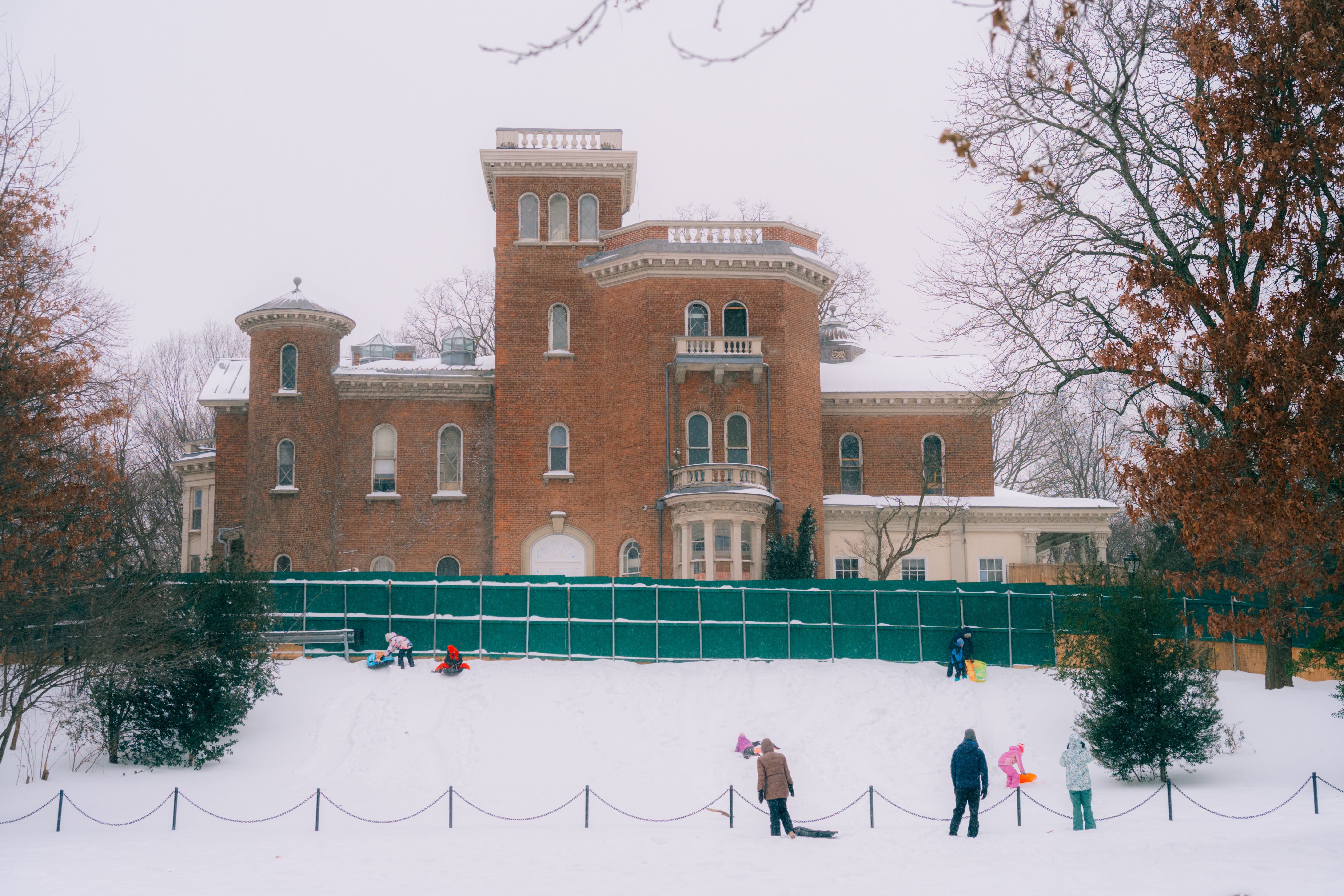
Prospect Park And The End Of The Litchfield Empire
Part II: A New Park And A Toxic Gowanus Lead To The Fall Of The Litchfield Empire
Nick Bello is a writer and photographer based in Park Slope. He loves to capture local scenery as well as research local history. Follow him on Instagram @nbello8 or on substack at:
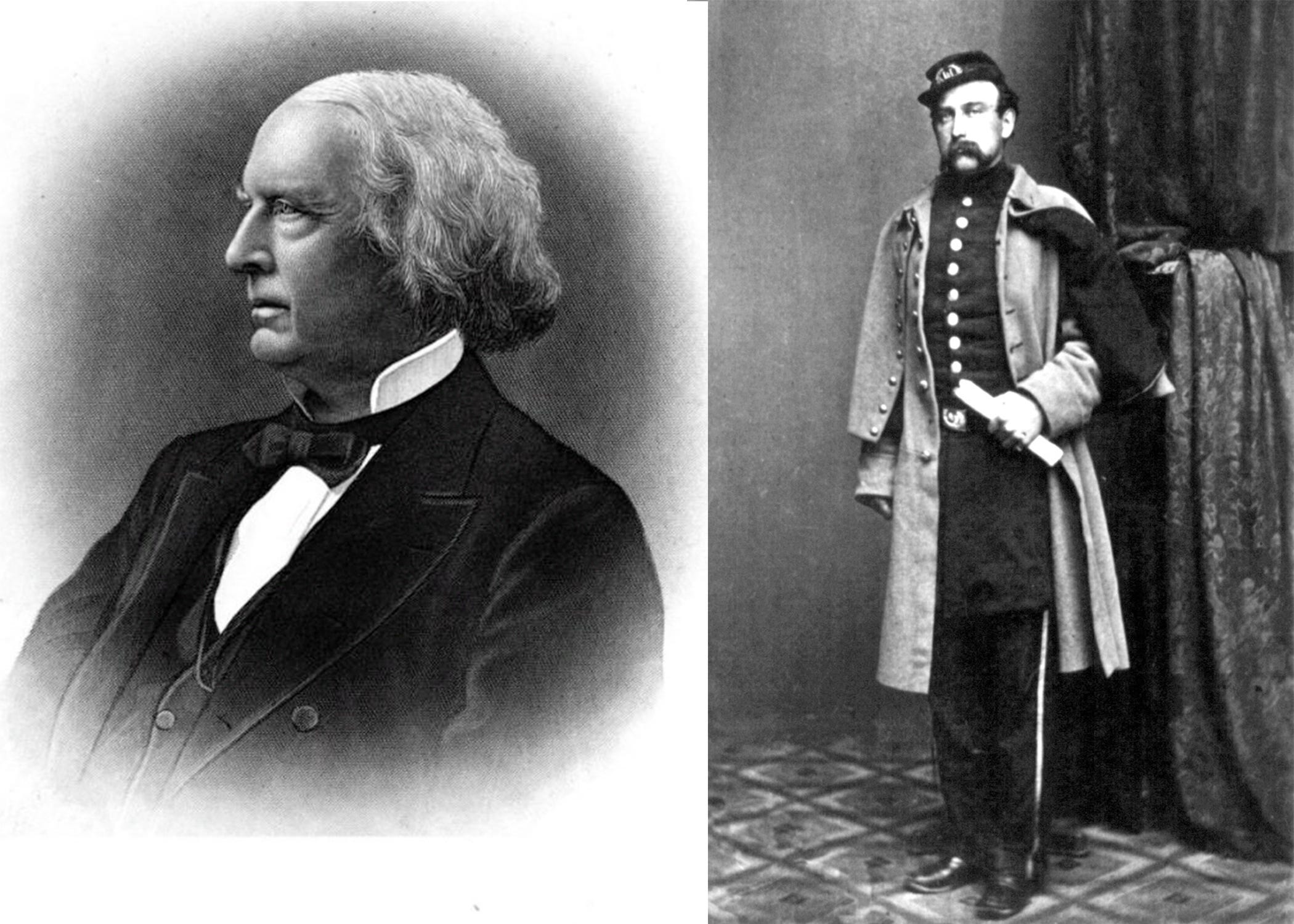
In 1858, Edwin Litchfield invited Egbert L. Viele, a civil engineer and engineer-in-chief of Central Park which was just being built in Manhattan, to dinner at Grace Hill (now Litchfield Villa). As we talked about in part one of this series, Edwin Litchfield owned a significant chunk of land where his mansion Grace Hill sat. Viele floated the idea of building a park in essentially Litchfield’s backyard which would be the crown jewel of Brooklyn. Litchfield latched onto this since he was strapped for cash as the Panic of 1857 had taken a hit on his financials as well as the slow growth of his land holdings in Gowanus. In 1860, Litchfield lobbied the state government to build the park and in April 1860 it was approved. Litchfield hoped this would drive up the property values not only of his estate but also the neighborhood. While he would be right about that, it would come at a personal cost.
Building Prospect Park
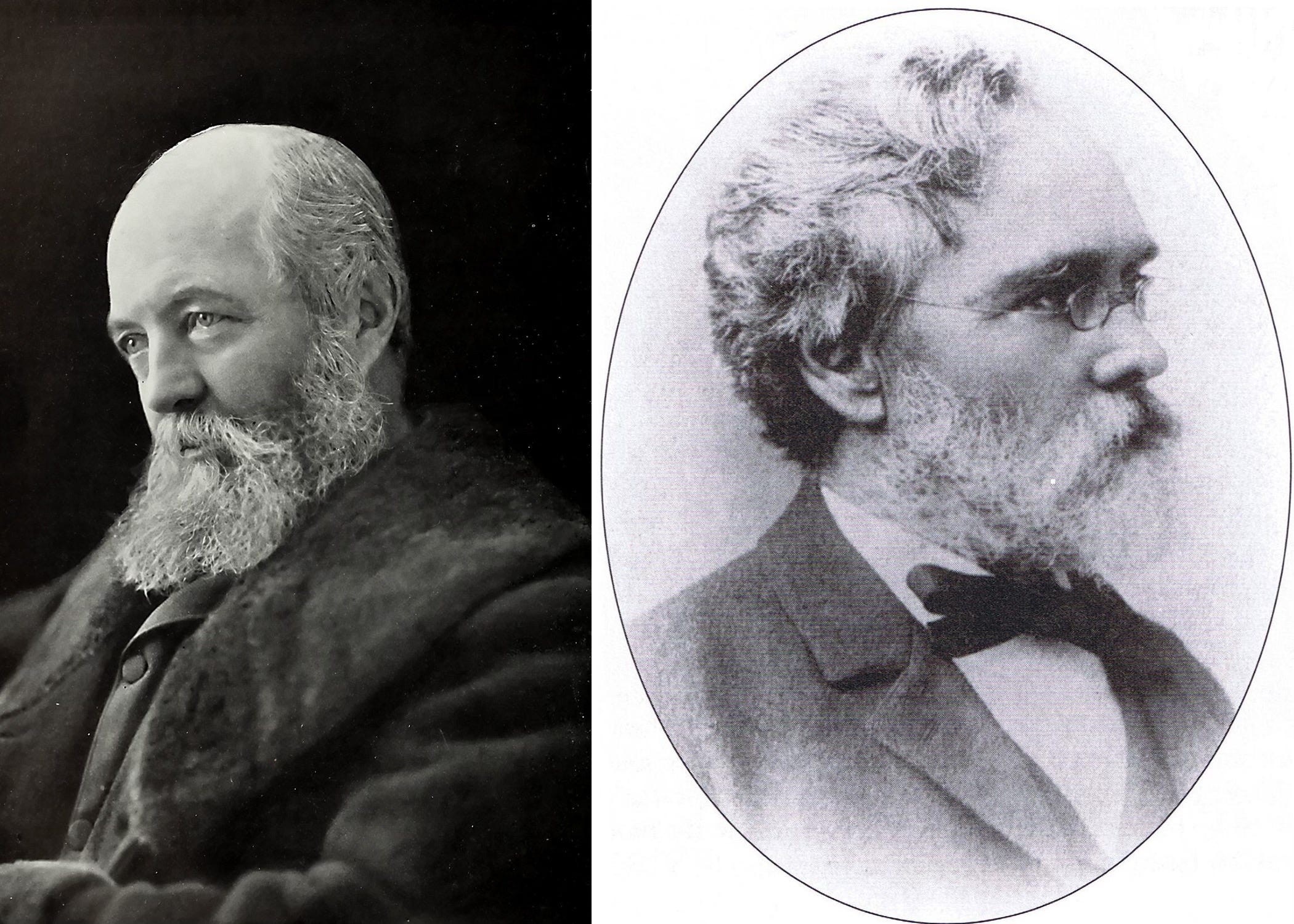
While Viele was the one who first floated the idea to Litchfield, the park was ultimately the brain child of businessman James Stranahan. Like Litchfield, Stranahan had real estate interests in Brooklyn and also believed that building a park would not just be of value to residents, but to his interests as well. Stanahan would become the first president of the Prospect Park Commission and oversaw the whole project. In 1890, a statue of Stranahan would be commissioned inside the Grand Army Plaza entrance of the park. Throughout the design process, there would be a lot of people involved. Stranahan birthed the idea while Viele drove it close to completion, in the end however it would be up to famed designers Calvert Vaux and Fredrick Law Olmsted to finish it.
Viele would take the first stab at designing Prospect Park in 1861 which only required Litchfield to give up a little bit of land to the park. Stranahan was not completely on board with Viele’s plan however, so he brought on one of the Central Park designers, Calvert Vaux, to sketch out a new plan. Vaux’s plan ultimately got Stranahan’s approval. Later that year the Civil War would break out, stopping the planning and construction of the park. In 1865, the operation would resume and with it came the addition Frederick Law Olmsted, Vaux’s partner in designing Central Park. They would create a new plan and determined that the land acquired to originally build the park was not significant enough. One of the biggest things they wanted was to purchase all of the Grace Hill estate, which Litchfield opposed. In 1867 however, both parties would come to an agreement that Litchfield only had to give up land leading up to the back of his estate and a bill was drawn up. This agreement was short lived as another lobbying group comprised of residents in what is today Prospect Heights put enough pressure to veto the bill.
That same year on October 19, part of the east side of the park was opened, allowing residents to get a taste of Brooklyn’s new backyard for the first time. However, the opening was fairly disappointing according to an article in the Brooklyn Eagle. Very little progress had been made and only one measly road had been created. Flags were put in place for where certain features would go so people could use their imagination for what things might look like in a few years. More than 8,000 people visited the park that day to get their first glimpse of what would become a Brooklyn staple.
The End of Grace Hill
One year later in 1868, the matter of acquiring Grace Hill would return as Litchfield was away on a trip to Europe. This time the park would win and the bill would be passed in April of 1868, purchasing not just Gracehill but some land south of it owned by Edwin’s half-brother and sister in-law. Gracehill itself was purchased for $500,000. While Gracehill was now owned by the park, the Litchfield’s were allowed to stay but they had to pay rent to the park. A lot of progress had been made on the park at that time. Some more land had been acquired to build the Parade Grounds and some arches, bridges, and walk ways had been built. In the summer of 1868, 100,000 people per month visited the park as people sought a refuge from hot city days. In the 1890s, the architectural firm Mckim, Mead, and White were brought on to create some of the entrances. A monument dedicated to the Maryland 400 that bravely fought in the Battle of Brooklyn was created in the middle of the park in 1895 by Stanford White. The park would be fully completed in 1873 amidst a financial panic. Because of this Vaux and Olmstead stopped working on the park, leaving some of the things that were planned to not be built. In total, the park would cost $9 million in total between land acquisition and building costs. Later on in the early 20th century, some buildings designed by Helmle, Huberty, and Hudswell would be added like the boathouse, tennis house and picnic house.
The Toxic Gowanus
Edwin Litchfield would continue to handle his business endeavors along the Gowanus Canal. In the 1870s, smells started to arise from the canal that made it hard to live in the area. This was due to the dumping of trash, animal carcasses and other pollutants into the canal by both business’ and the public. It would later be found that the canal was practically a sewer as the neighboring Bond Street sewer flushed directly into the canal. To make matters worse, the canal’s design prevented the water from flowing with the tides, thus the contaminants sat rotting in the canal. An article in the Brooklyn Eagle in April of 1876 directly blames Litchfield’s Brooklyn Improvement Company for the smell, stating that an artery of the canal that was created by the BIC at Fourth Street prevented the ebb and flow of the canal with the tide that would flush it out. The city got involved in combating the toxic canal, conducting a study in 1877 which found that 9,187 pounds of feces and 10,682 pounds of urine were pumped into the canal every day. The issue continued for a number of years as residents kept complaining as the smells and sickness’ got worse and worse.
To combat this, the city planned on building an extension of the sewer system to the East River where the toxic waste could be easily flushed out. Litchfield, and the other property owners along the canal, were to pay the bill for the new sewer. In the process of figuring out the financials for the project, it came to light that the Litchfield’s and the BIC had not been paying their fair share of taxes. When it was all totaled out, the Litchfield’s owed the city $950,000, which the city kindly tagged with a 12 percent interest rate. Edwin eventually bringing in his son, Edward, to help him out. Edward would sort out the tax mess for his father, speaking with Mayor Seth Low about the matter. Edward was able to work out a deal that got the city to back off. In 1881, Grace would pass away and in 1883 the Litchfield’s would be forced to vacate their estate by the park. Edwin would pass away in in 1885 while in France. Litchfield’s dreams began to crumble before his death, as the Gowanus Canal became polluted and the home that was his prized gem, Grace Hill, had been given to the public. He is buried on the family plot in Greenwood Cemetery atop Battle Hill, parallel to the hill from which he once overlooked his once bustling empire.


