In The Equation for Small Business Survival, the Answer is Local Support
Sweeping closures rocked Park Slope in 2025. Three local business owners explain what it takes to win the numbers game – and how regulars factor into the solution.

Leda Strong is a native New Yorker who lives in Park Slope with her husband, Andrew. Follow Leda on Substack for more.
Perhaps you’ve been here before: you see a headline. Your heart sinks. Your favorite restaurant, coffee shop, or bar has just announced it’s closing. How can this be? Their food was so good! Their service so friendly! The vibes? Immaculate. When Park Slope Living shared a post on Instagram at the end of last year rounding up all the local closures in 2025, the comments section (and our inbox) was ablaze with such sentiments – dismay, surprise, confusion. But the reality, as we later reported, is that restaurants and other small businesses run on razor-thin margins, and factors like weather and school recess can cut them thinner still, causing bleeding that is sometimes too much to overcome.
In his recent article The Math Doesn’t Work, chef and restaurateur Ham al-Waylly asserts that while the numbers behind operating a New York City restaurant have never really added up, the math “really, genuinely, almost comically doesn’t work right now.” By al-Waylly’s estimation, after accounting for labor, cost of goods, rent, utilities, insurance and credit card fees, the window for profit is only about three to five percent “on a genuinely good month,” and even that narrow opportunity is susceptible to shrinking. To better understand the challenges businesses face, and to demystify the math behind keeping them open, I asked three local business owners to explain the factors that threaten survival – and how the community can help.
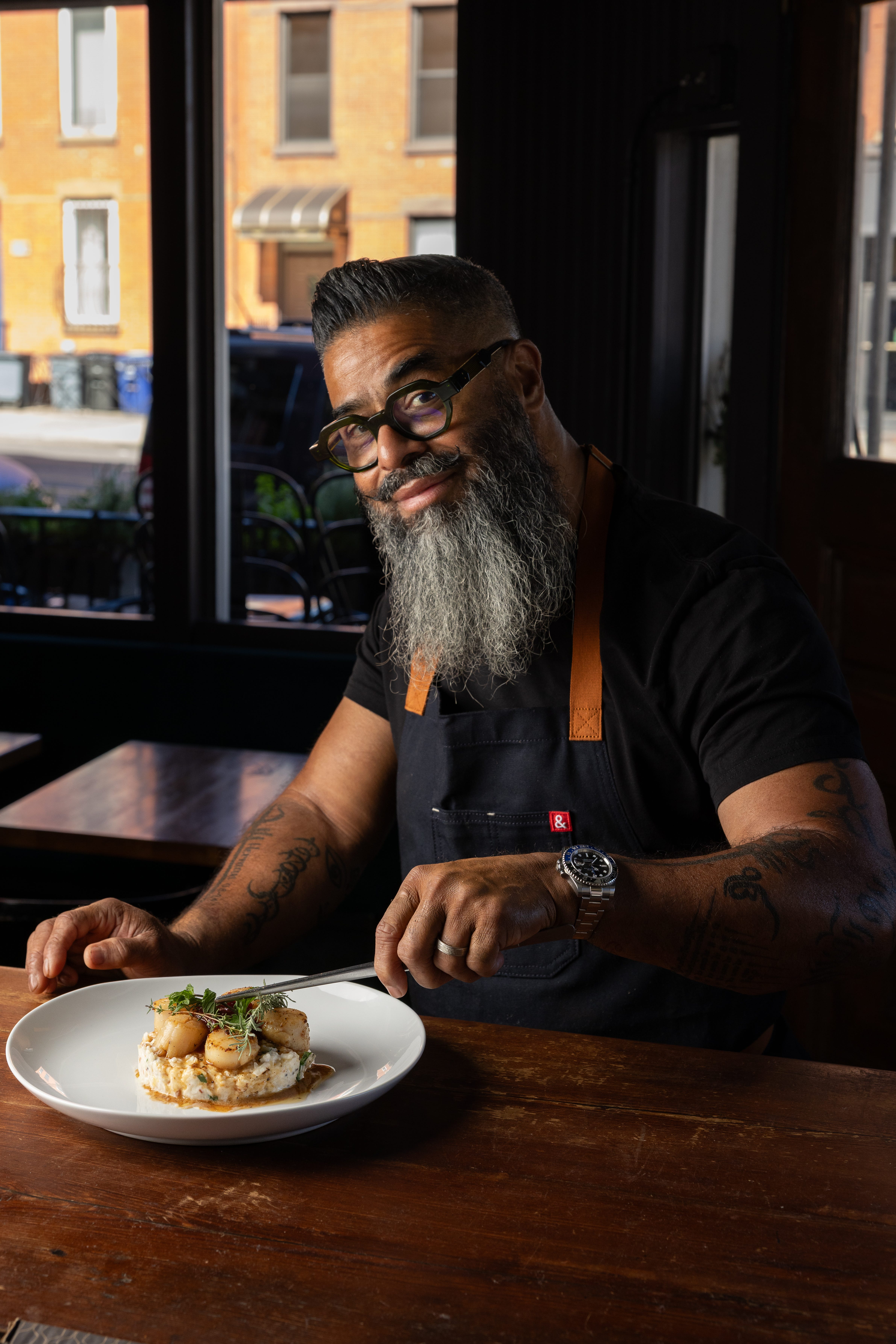
Jay Kumar, owner of neighborhood restaurants Lore and its newer cocktail bar cousin Folk, breaks it down into a simple hypothetical equation. If rent is $6,000 per month, he says, total annual costs – including labor, utilities, insurance, cost of goods, repairs, and more – will reach about $900,000. That’s $80,000 per month, with rent accounting for roughly 8% of that amount; that means the business would need to make $3,000 a day just to break even over the course of a year. (Put another way, the yearly goal is to make twelve times the annual cost of rent.) But, Jay explains, not all earning days are created equal, and that $3,000 per day figure is realistically a daily average each week. Traffic is typically lighter on weeknights, especially at restaurants like Jay’s, which are in more residential areas. The slower business from Tuesday through Thursday leans heavily on weekend revenue to hit that target average.
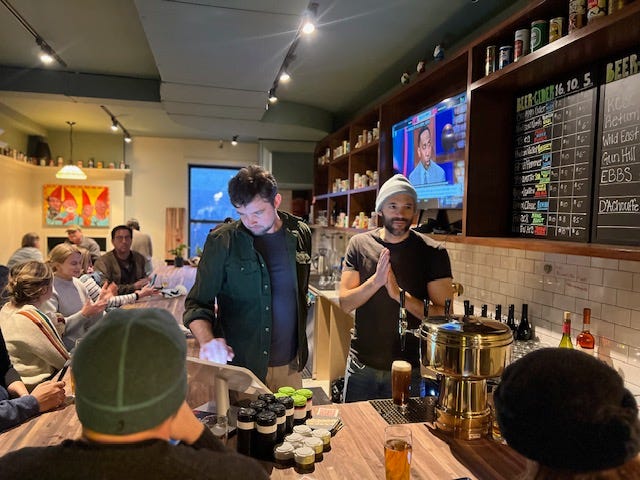
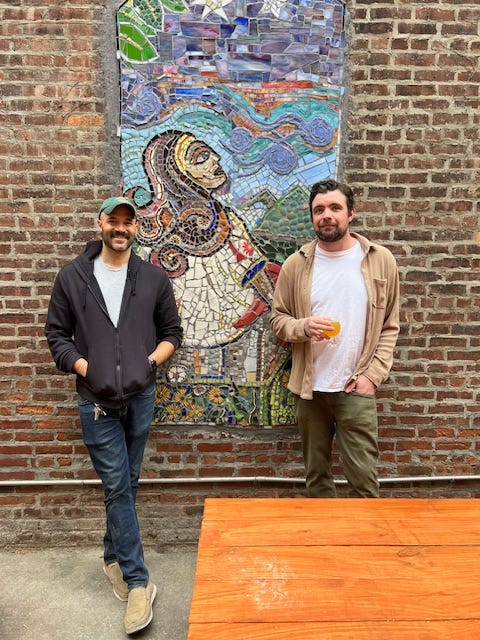
At Brewer’s Row, a beer bar and bottle shop on 7th Avenue, co-owner Fred Avila drills down into traffic patterns and Park Slope particularities further. He estimates that the bar needs to serve about 65 patrons per day to break even, a figure that depends on seasonality and other factors. “From our end we rely heavily on Tuesdays [when the bar hosts trivia nights] in addition to Fridays (evenings) and Saturday/Sunday (afternoons). Overall, we are busiest from March through the end of June, and September through the end of October,” Avila says. The demographics of Park Slope, a neighborhood home to many families with young children, play a large role in dictating this calendar. “If school is in session, we will be busy. If school is out for the summer, or any of the yearly breaks, we tend to slow down as many of our regulars and their families leave the area,” says Avila.
According to Avila, the large population of families in the neighborhood also means that people are in less need of a third space – a place to gather outside of the home and the office – as compared to neighborhoods with a higher concentration of younger, single residents. As a result, bad weather days can “slow things down considerably,” as locals are less likely to head to the bar than they are in neighborhoods like Murray Hill or Crown Heights, where weather makes less of an impact on business, says Avila. It’s “hard to estimate how much theoretical business we lose due to bad weather and the school year,” he explains, “but based on our busiest months it’s safe to say without these factors we’d have $100,000-$150,000 in additional revenue.”
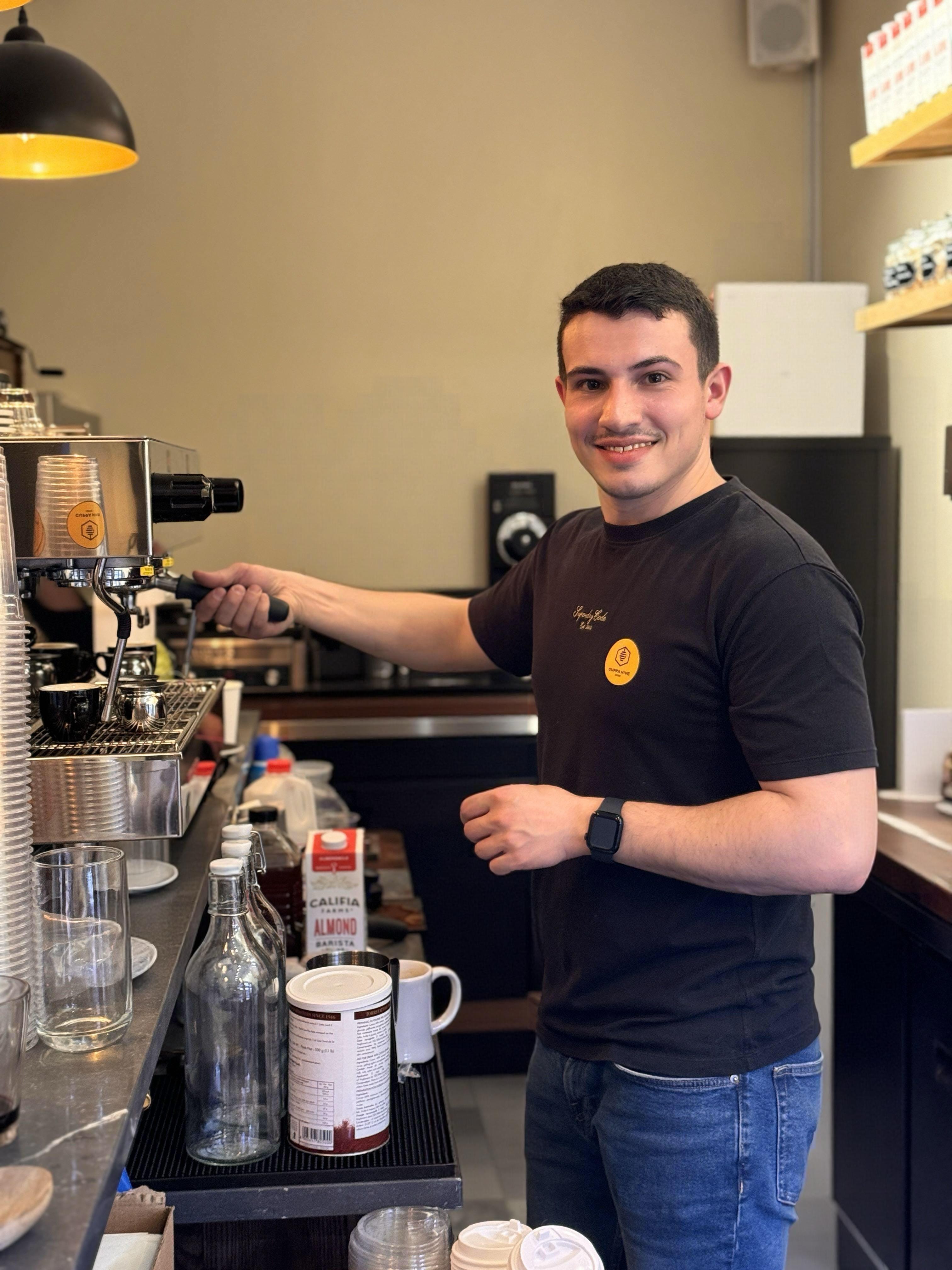
That seasonality is also important at Cuppa Hive, a neighborhood coffee shop that recently opened its second location in Park Slope. “If there were twelve months of winter, we would not survive,” says Cuppa Hive’s owner Elchin Mamedaliev. The coffee shop’s original location, on 15th Street near 8th Avenue, relies on its proximity to Prospect Park to bring in revenue from foot traffic. That foot traffic wanes to near non-existence in the colder months of November to March – which Mamedaliev calls the slow season – and local families travel out of town during holidays and school breaks. February is especially challenging, Mamedaliev explains, as monthly fixed costs like rent and utilities do not change, but as the shortest month of the year, there are fewer days to generate revenue. Including closures from the blizzard this year, Mamedaliev says his businesses were only open for 25.5 days in February. “Imagine having a month that’s only a little over three weeks, when your rent and labor never changes,” he says. Those lost days are critical for a business like Cuppa Hive, which needs to serve 190-220 customers per day to break even each year, Mamedaliev estimates. “We tend to be open as much as possible,” he says, even if it means opening the shop himself on holidays.
Come springtime, small brick-and-mortar businesses see the light, so to speak. Warm weather months, weekends, and school being in session rebalance the books for small businesses and subsidize the losses they take in the slower (and colder) days of winter. “Two good days on the weekend can cover five bad days from February…but those two good days probably happen in May, so you have to wait for a few months. It tests stress capacity,” says Mamedaliev. (For small business owners, patience is both a virtue and a trait they learn after surviving their first winter.) But while warm weather brings respite, it isn’t quite a magic wand. I asked Mamedaliev if one bad weekend in May could bury a small business. “One weekend wouldn’t do much,” he explains, “but if it happens one weekend every month of the high season, it would really impact a lot.” After all, Mamedaliev says, there are plenty of costs beyond the more obvious expenditures of rent, utilities and labor: the (ever-increasing) cost of ingredients, supplies, paper goods, and unexpected appliance repairs, for example. Those costs hit businesses all year long, and just anticipating spring and summer while they pile up would be insufficient and ill-advised.
Business owners must innovate to mitigate those liabilities and survive the dark days, and that innovation starts with a real understanding of their customers. At Brewer’s Row, Avila and his co-owner Taylor Hederman host trivia nights every Tuesday and find other ways to cater to their clients, like opening early on St. Patrick’s Day (and ordering plenty of Guinness) for one of their busiest weekends of the year. Jay Kumar also logs both his busiest and least lively days, and is intentional about staffing at his restaurants accordingly. And Mamedaliev says he is constantly ideating around new seasonal drinks during his daily gym routine. Part of that thinking is calculating the precise margins for pricing. “My friend told me, ‘if you sell a coffee for $5, you must make a fortune…when I go to the grocery store, coffee is $1.75’” recalls Mamedaliev. “And I explained to him what makes the coffee cost $5, and then he was asking, how do you even survive?”
The answer, says Mamedaliev, is the community. “Without [our regulars], we wouldn’t make it,” he says, referring to local residents like the members of a cycling club who stop by the shop at 7 o’clock each morning. “The original idea for Cuppa Hive was not a coffee shop to-go, but more like a comfort space.” When fewer folks are frequenting Prospect Park or the sidewalks of the Slope, it is the locals that sustain our beloved businesses. Jay and Avila share the same sentiments about their respective establishments: Jay recently told Conde Nast that Folk “is a bar made for and by the community that lives here,” and Brewer’s Row, with its backyard picnic tables and offering of board games, is the ideal watering hole for the stroller-toting set and ale enthusiasts alike. As spaces designed to serve the Park Slope community, the best way we can reciprocate that support is to patronize them.
In a recent piece for Eater, Melissa McCart and Nadia Chaudhury reminded readers of the importance of dining local in a city with seemingly endless options: “it’s the small, local, family-owned places that truly rely on regular neighborhood customers to survive…find a gem in your own neighborhood and become a regular.” If showing up is not always possible financially or otherwise, Jay, Avila and Mamedaliev offer some other options: purchasing gift cards, writing Google reviews, sharing recommendations online or via word of mouth, subscribing to newsletters or following (and posting about) the businesses on social media – there are plenty of avenues for showing support. More than what keeps their lights on, it’s what keeps their owners going in trying times. These small businesses are deeply personal to their owners: more than their livelihood, they are an expression of themselves, a manifestation of their dreams. “I love what I do. You have to like it,” says Mamedaliev. “When I see the same people come in, the same faces, not having to ask what they want, because we already know what they want…that’s why it’s worth it.”